Analysis of Core Points in Design and Construction of Fire Smoke Exhaust Ducts
Release time:2025-12-08 Visits:0
The fire smoke exhaust system is a crucial component of building fire safety, and the quality of its duct design and construction directly affects the effectiveness of personnel evacuation and fire rescue during a fire. The system typically consists of smoke exhaust fans, ducts, smoke exhaust outlets, fire dampers, and smoke barriers, which rapidly exhaust smoke through mechanical forced means to prevent the spread of smoke.
During the design phase, strict adherence to national standards such as the "Code for Fire Protection Design of Buildings" (GB 50016) and the "Technical Standard for Building Smoke Control and Exhaust Systems" is mandatory. These standards specify the locations where smoke exhaust facilities must be installed, such as ground-level Class C workshops with a building area exceeding 300 square meters, corridors longer than 20 meters, Class C warehouses with a floor area exceeding 1,000 square meters, and underground densely populated places.
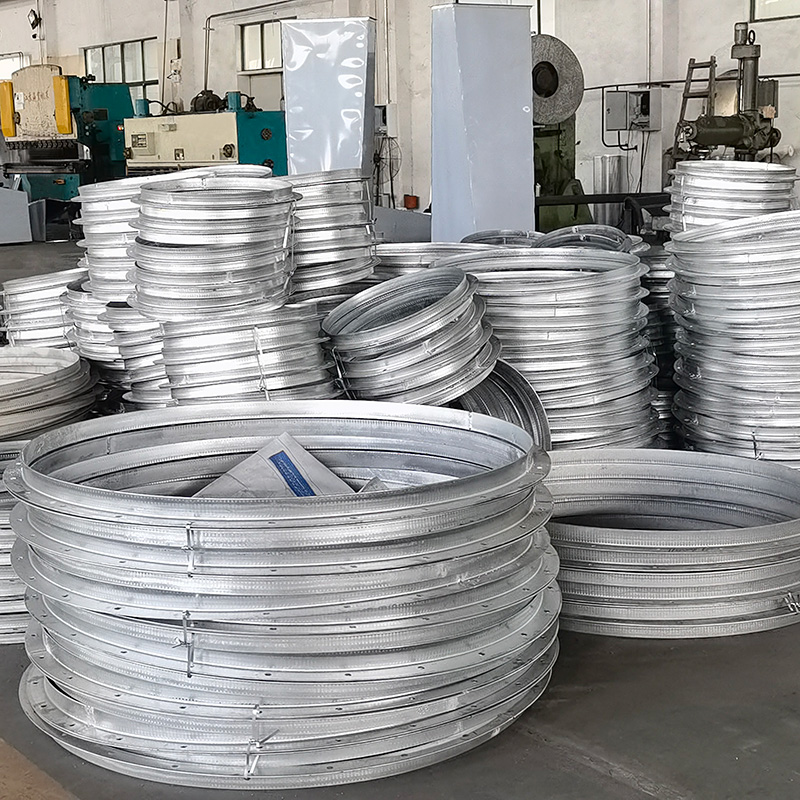
Duct materials must be non-combustible with smooth inner walls to reduce wind resistance. Galvanized steel sheet is the mainstream choice, and its thickness must meet规范 requirements. The fire resistance rating of ducts is strictly regulated, with fire resistance durations ranging from 0.5 hours to 3 hours depending on the installation location. To meet these requirements, a composite structure of "galvanized steel sheet + external fireproof cladding" is often adopted. The cladding material must be Class A non-combustible, such as glass wool or rock wool, with thermal insulation and flame retardant properties.
Construction and installation require precise operations:
1. The layout should be optimized, with smoke exhaust outlets close to potential smoke sources, and ducts arranged in a short, direct manner with fewer bends to ensure efficiency.
2. During insulation and fireproof cladding construction, boards must be lapped from bottom to top, and joints sealed. For ducts with high fire resistance requirements, additional fireproof board wrapping is needed, installed via a galvanized square tube frame to ensure structural integrity.
3. The installation of all components, such as fire dampers, must not affect their normal functionality, and air ducts must maintain a safe distance from combustible materials.
After installation, tightness testing and cleaning must be conducted to ensure the system is free of leaks and blockages. In conclusion, the design and construction of
fire smoke exhaust ducts is a comprehensive project that requires full compliance from material selection, craftsmanship to acceptance inspection to ensure building fire safety.
 +85247166614