Comprehensive Analysis of Ventilation Ducts: Core Components and Key Knowledge of Building HVAC Systems
Release time:2025-12-08 Visits:0
Ventilation ducts are core components of building Heating, Ventilation, and Air Conditioning (HVAC) systems, responsible for the critical functions of air transportation, distribution, and recovery. They act as the "respiratory tract" of buildings, ensuring indoor air circulation, temperature and humidity regulation, and pollutant control, directly impacting the comfort and health of living and working environments.
I. Core Functions
Through supply, return, and exhaust air ducts, ventilation duct systems fulfill the following core functions:
1. Air Transportation and Distribution: Deliver treated air (e.g., cooled, heated, filtered) from central equipment to various rooms and evenly distribute it through air outlets (such as diffusers, louvered vents) to avoid air stagnation zones.
2. Pollutant Control: Remove indoor pollutants like cooking fumes, moisture, and harmful gases while introducing fresh air to maintain air quality.
3. Temperature and Humidity Regulation: Work in coordination with air conditioning systems to stabilize indoor temperature and humidity, enhancing environmental comfort.
4. Fire Protection and Safety: Automatically cut off airflow through fire dampers during fires to prevent fire spread and ensure building safety.
II. Common Materials and Applicable Scenarios
The selection of duct materials requires comprehensive consideration of cost, performance, and environmental requirements:
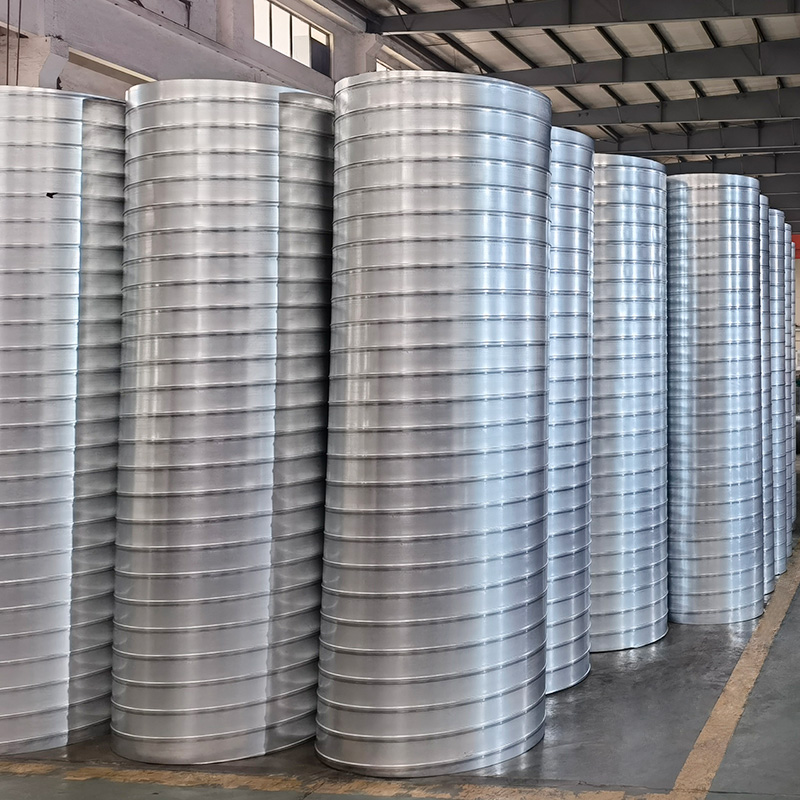
- Galvanized Steel Sheets: High strength and good fire resistance, widely used in commercial buildings, hospitals, and factories.
- Stainless Steel Sheets: Corrosion-resistant and high hygiene level, suitable for clean environments such as hospital operating rooms and food factories.
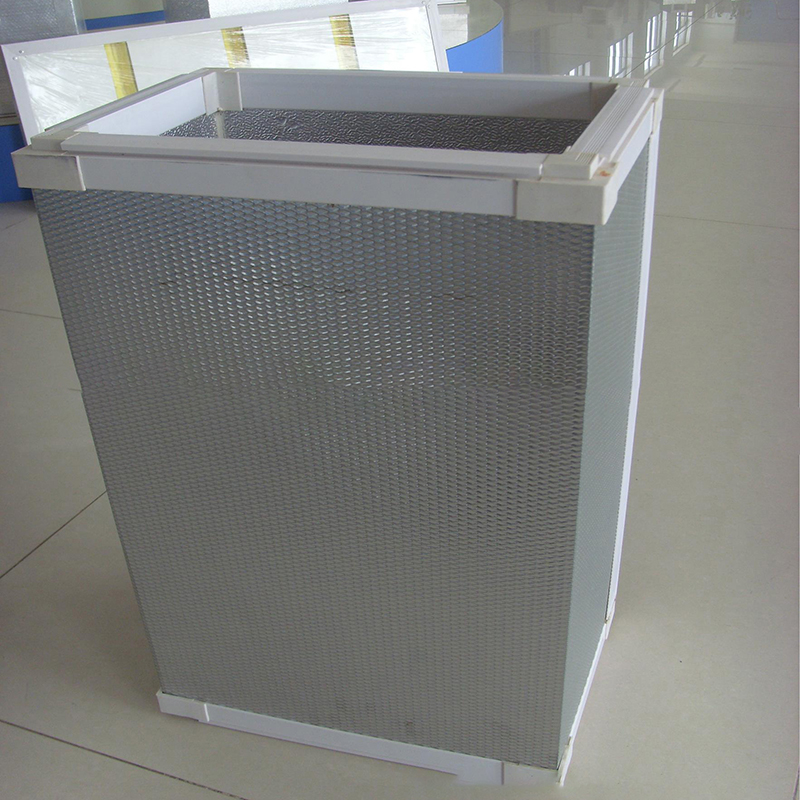
- Composite Ducts (e.g., phenolic, magnesium oxide materials): Lightweight and good thermal insulation, commonly used in commercial spaces like office buildings and shopping malls.
- Fiberglass Reinforced Plastic (FRP) Ducts: Corrosion-resistant and strong fire resistance, mostly used in humid and corrosive environments (e.g., chemical plants, basements).
- Fabric Air Ducts: Uniform air supply and easy to clean, suitable for large venues and industrial workshops.
III. Duct Shapes and System Design
1. Shape Selection:
- Rectangular Ducts: Space-saving and easy to integrate with building structures, but with higher resistance.
- Circular Ducts: Low airflow resistance and high strength, suitable for high-velocity air supply systems.
- Oval Ducts: Balance the advantages of rectangular and circular shapes, applicable for space-constrained scenarios.
2. Design Principles:
- Hydraulic Calculation: Determine duct diameter based on air volume and resistance to ensure balanced air volume at each outlet.
- Low Resistance Layout: Minimize path length and bends/reductions to reduce energy consumption.
- Noise Control: Recommended air velocities: 6-8 m/s for main ducts, 3-5 m/s for branch ducts, and 1.5-2.5 m/s for air outlets; install silencers if necessary.
- Insulation and Condensation Prevention: Cover with insulating materials (e.g., glass wool) to prevent energy loss and condensation.
IV. Key Points for Installation and Maintenance
- Installation Requirements:
- Ensure tightness to avoid air leakage and energy waste; support spacing must comply with specifications (horizontal pipes ≤3m, vertical pipes ≤4m) to prevent vibration noise.
- Use flame-retardant sealant at joints; keep duct interiors clean with no construction debris残留.
- Maintenance Measures:
- Regularly clean duct interiors to remove dust and microorganisms, ensuring air quality.
- Inspect tightness and insulation layers, promptly repair damages to prevent condensation and increased energy consumption.
V. Application Fields and Future Development
Ventilation duct systems are widely used in:
- Civil Buildings: Central air conditioning, fresh air systems (e.g., residences, hotels, shopping malls).
- Industrial Sites: Dust removal, smoke extraction, explosion-proof ventilation (e.g., factories, mines).
- Clean Environments: Hospital operating rooms, laboratories, electronic cleanrooms.
Future trends include intelligence (automatically adjusting air volume based on environmental data) and greenization (adopting eco-friendly materials and improving energy efficiency).
The design, materials, and construction quality of
ventilation ducts directly determine system energy efficiency, safety, and air health. In construction projects, appropriate materials and design specifications should be selected based on actual needs to ensure long-term stable operation of the system.
 +85247166614