Complete Guide to Central Air Conditioning Ventilation Duct Installation: Detailed Explanation of Specifications, Methods and Spatial Layout
Release time:2025-12-08 Visits:0
The professional installation of central air conditioning ventilation ducts is crucial to ensuring the efficient operation of the system and improving indoor comfort. The installation process requires comprehensive consideration of factors such as location selection, installation methods, technical specifications, and spatial layout. Negligence in any link may affect the final result.
1. Selection of Installation Location and Supply/Return Air Methods
The position of ventilation ducts should be carefully planned to avoid direct airflow to areas where people frequently stay, such as bed heads, sofas, and office seats, to prevent discomfort caused by direct airflow. Meanwhile, air outlets should not be directly facing doors or windows, as this may disrupt indoor air distribution and potentially cause condensation on glass.
There are three main types of supply and return air installation methods:
The side supply and side return method is suitable for areas with limited space or where large-area ceiling installation is not allowed, such as bedrooms or cloakrooms. Its advantages are significant space savings and a ceiling appearance, but the disadvantage is relatively lower cooling and heating efficiency.
The bottom supply and bottom return method is suitable for large spaces with high ceilings and sufficient ceiling space, such as living rooms. This installation method provides better heating, but special attention must be paid to condensate drainage and direct cold air blowing. It is recommended to use air outlets with adjustable angles.
Side supply and bottom return is currently the most common installation method for living rooms, dining rooms, and bedrooms. It has high cooling efficiency and is relatively energy-saving. However, during heating operation, hot air accumulates at the top and is difficult to sink effectively, resulting in reduced heating.
2. Detailed Explanation of Installation Technical Specifications
Precise positioning and adequate preparation are the first steps in installation. It is necessary to determine the air outlet position and airflow direction in advance according to the design drawings, and accurately mark the installation holes with a pen to ensure uniform indoor air distribution. The size of the air outlet must meet the design requirements; otherwise, it will affect the wind speed and total air volume.
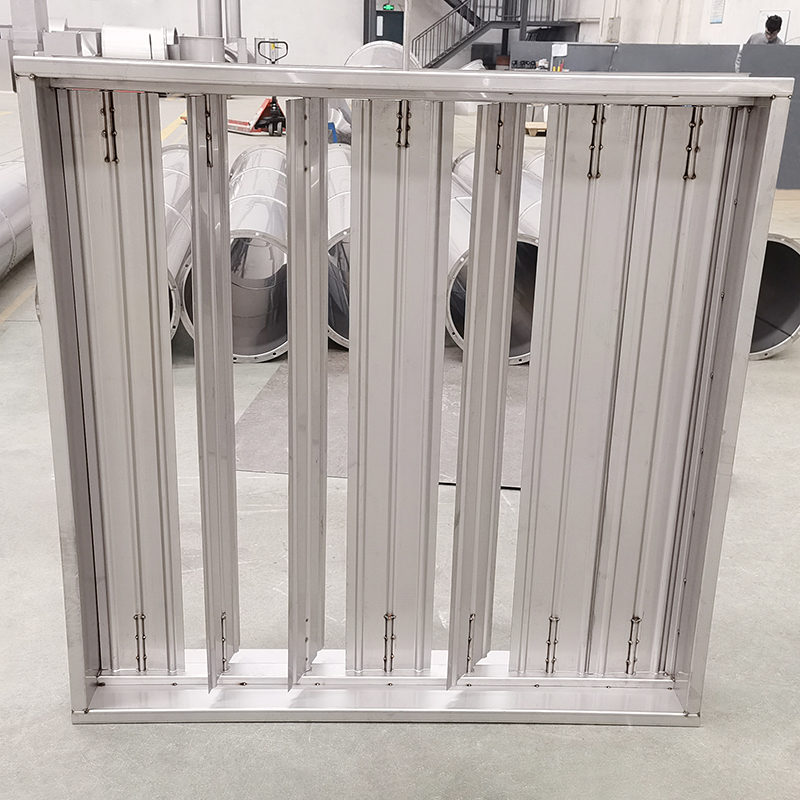
Bracket installation must be absolutely level, usually located about 15 centimeters above the air outlet. The air outlet is firmly fixed with self-tapping screws and the motor circuit is accurately connected. The air outlet louvers must be strictly kept at the same horizontal plane as the equipment air outlet. Any misalignment or excessively small opening will affect performance.
In terms of material selection, linear air outlets with higher air supply efficiency and a more简约 appearance are recommended. Their frame width is usually only about 1 centimeter, which is better than traditional grid air outlets. The depth of the installation groove is recommended to reserve 4 centimeters, and it must be ensured that the groove is installed perpendicular to the ceiling plane.
Detail processing is also crucial. There should be no light troughs or other decorative objects blocking the front of the air outlet to avoid hindering the normal diffusion of air flow. For the "false air outlet" parts that do not have air flow, black paint should be used to maintain visual uniformity and aesthetics.
3. Spatial Planning and Long-Term Maintenance Considerations
The layout of the indoor unit must be designed in a position where supply and return air are completely unobstructed. The distance from the opposite wall of the air supply direction should preferably be controlled within 5 meters to ensure the effectiveness of air distribution. At the same time, sufficient maintenance space must be reserved for the outdoor and indoor units. It is recommended to reserve a space next to the outdoor unit for one person to operate safely.
In addition, shock absorption and drainage design must be fully considered during installation. Installing vibration isolation rubber pads between the indoor unit and the suspenders can effectively prevent vibration transmission and reduce operating noise. The drainage pipe must use a PVC pipe with sufficient inner diameter, and ensure a drainage slope greater than 1/50. A water trap should be installed at the drainage outlet to fundamentally reduce the risk of water leakage.
4. Achieving a Balance Between Functionality, Aesthetics and Maintenance
In conclusion, reasonable
ventilation duct installation is a precise balance between functionality, aesthetics, and post-maintenance convenience. It is recommended that users select the most appropriate installation method based on the actual house structure, spatial layout, and usage needs before installation, and strictly follow various technical specifications. If conditions permit, it is recommended to use high-performance air outlets with 3D air supply function, such as those with a double摆叶 design, which can further optimize indoor air distribution, completely avoid direct cold air blowing, and comprehensively improve user comfort. Standardized installation is not only the basis for the efficient and stable operation of the air conditioning system but also the key to extending the equipment life.
 +85247166614