What Are Heavy Duty Motorized Electric Air Duct Damper Valves?
Heavy duty motorized electric air duct damper valves are high-performance airflow control devices engineered for commercial, industrial, and large-scale HVAC duct systems. Unlike standard light-duty dampers designed for basic residential ventilation, these heavy-duty units are built with reinforced structures, robust electric actuators, and durable materials to withstand high static pressure, frequent operation, and harsh environmental conditions. Serving as automated pipeline control valves, they precisely regulate, block, or modulate airflow within ventilation and air handling ductwork through electrically driven valve plates and core components.
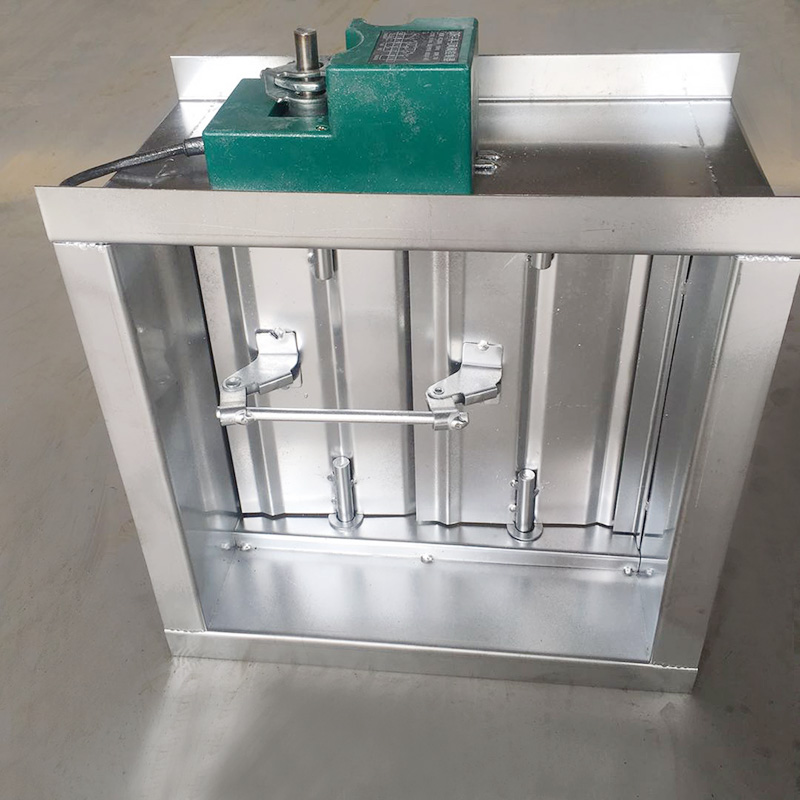
These
electric damper valves replace traditional manual dampers and pneumatic dampers in demanding applications, delivering consistent, programmable, and remotely controllable airflow management. Every unit is purpose-built to balance system airflow, isolate duct segments, adjust ventilation volumes, and support automated building control workflows, making them a foundational component of modern intelligent ventilation systems.
Core Working Principle of Motorized Electric Duct Dampers
The operational mechanism of heavy duty motorized electric air duct damper valves centers on the integration of a precision electric actuator and a rigid damper blade assembly. The electric actuator, composed of a high-torque motor, reduction gearbox, travel limit switches, and control circuitry, acts as the power core of the entire device. Upon receiving electrical control signals from building management systems (BMS), thermostats, PLC controllers, or manual control panels, the actuator converts electrical energy into mechanical rotational torque.
This torque drives the internal transmission shaft to adjust the angle of the damper valve plates smoothly and accurately. The valve plates can achieve full opening, full closing, and arbitrary intermediate angle positioning, enabling stepless adjustment of airflow volume, velocity, and pressure inside the air duct. Built-in travel switches automatically cut off power once the blades reach preset positions, preventing over-rotation, mechanical damage, and ensuring stable and safe operation during long-term continuous use.
Key Structural Features of Heavy Duty Electric Duct Dampers
What distinguishes heavy duty motorized electric air duct damper valves from ordinary electric dampers is their industrial-grade structural design. The main frame and valve blades adopt thickened galvanized steel, stainless steel, or high-strength aluminum alloy materials, effectively resisting corrosion, deformation, and wear in high-humidity, dusty, and high-temperature duct environments. Reinforced blade shafts and sealed bearing structures eliminate shaft shaking and air leakage during high-pressure airflow operation.
Most heavy-duty models are equipped with high-density rubber or polyurethane sealing gaskets on blade edges and frame joints. This low-leakage sealing design minimizes air infiltration when the damper is fully closed, ensuring precise airflow control and reducing energy waste. The modular actuator structure supports quick disassembly, replacement, and maintenance, while multiple installation specifications including round, square, and rectangular shapes enable seamless compatibility with standard industrial and HVAC duct sizes.
Many heavy-duty dampers also offer optional fail-safe designs with spring-return actuators. In the event of power failure or system outage, the spring mechanism automatically resets the valve plates to a preset open or closed state, meeting safety ventilation and fire isolation requirements for industrial facilities and public buildings.
Unique Advantages of Heavy Duty Motorized Air Duct Dampers
Heavy duty motorized electric air duct damper valves outperform manual dampers and light-duty electric dampers in reliability, controllability, and adaptability. First, they support fully automated intelligent control without manual on-site adjustment. Users can remotely monitor and adjust airflow status in real time through building automation systems, realizing unattended operation and greatly improving ventilation system management efficiency.
Second, the high-torque actuator design provides strong load capacity, enabling stable operation under high static pressure and large airflow conditions that ordinary dampers cannot bear. This makes them suitable for high-power ventilation systems, industrial exhaust pipelines, and large-space central air conditioning systems. The precise angle positioning technology ensures airflow adjustment accuracy within a small error range, effectively solving problems such as uneven air supply and system pressure imbalance.
Additionally, these electric dampers feature low operating noise, stable transmission, and long service life. The gear reduction structure reduces motor operating load, lowering wear and energy consumption during frequent start-stop and adjustment cycles. Compared with pneumatic dampers, they require no compressed air pipeline support, simplifying system installation and reducing later maintenance costs and equipment failure rates.
Common Industrial & Commercial Applications
Heavy duty motorized electric air duct damper valves are widely applied in scenarios that require stable, automated, and high-precision airflow control. In commercial building HVAC systems, they are used for zoning air supply control, independent ventilation adjustment of office areas, shopping malls, hotels, and exhibition halls, optimizing indoor temperature and air quality while reducing overall building energy consumption.
In industrial manufacturing environments, these dampers serve industrial ventilation, dust removal, exhaust gas treatment, and workshop air conditioning systems. They stably control airflow in high-dust, high-temperature, and corrosive gas ducts, ensuring stable operation of production ventilation and environmental protection equipment. Factories in chemical, cement, machinery processing, and electronic manufacturing industries rely on these dampers to maintain workshop air circulation and pollutant discharge efficiency.
They are also essential for public infrastructure and special engineering projects, including subway ventilation, underground garage exhaust, hospital clean air conditioning, laboratory ventilation, and building fire smoke exhaust systems. The reliable fail-safe performance and high-pressure resistance enable them to meet strict safety and ventilation standards for special venues.
Selection Guidelines for Heavy Duty Electric Duct Damper Valves
Proper selection of heavy duty motorized electric air duct damper valves directly affects the operating efficiency and service life of the ventilation system. Users need to confirm key parameters based on actual duct conditions and usage requirements. First, match the damper shape and caliber according to the duct size, selecting round, square, or rectangular specifications to ensure fitting installation and airtightness.
Second, select the appropriate actuator voltage and control mode. Common specifications include 24V AC/DC low-voltage control and 220V AC high-voltage control, compatible with different building control systems. For safety-sensitive scenarios, prioritize spring-return fail-safe actuators to ensure system safety during power failures.
Moreover, material selection should adapt to the operating environment. Ordinary galvanized steel is suitable for conventional HVAC environments, while 304 stainless steel is recommended for humid, corrosive, and high-dust industrial scenarios. It is also necessary to confirm the damper’s static pressure resistance level and air leakage rating to meet the high-load operation requirements of industrial and large commercial systems.
Installation & Maintenance Best Practices
Standard installation and daily maintenance are critical to maximizing the performance of heavy duty motorized electric air duct damper valves. During installation, ensure the damper is installed horizontally or vertically according to design requirements, with firm connection between the flange and the duct to avoid air leakage caused by loose interfaces. Reserve sufficient space around the actuator for later inspection and maintenance operations, and avoid installing the device in direct high-temperature radiation and severe vibration environments.
In daily use, regular maintenance includes cleaning dust and debris on valve plates and sealing gaskets to prevent foreign matter from affecting closing tightness and adjustment flexibility. Check the actuator’s operating status regularly, lubricate the transmission shaft and gear components periodically, and inspect line connections for looseness or aging. Timely replacement of worn sealing gaskets can effectively maintain low air leakage performance and extend the service life of the damper valve.
 +85247166614



 Current
location:Home >news
>Industry news
>Heavy Duty Motorized Electric Air Duct Damper Valves: Ultimate Guide For Industrial & HVAC Airflow Control
Current
location:Home >news
>Industry news
>Heavy Duty Motorized Electric Air Duct Damper Valves: Ultimate Guide For Industrial & HVAC Airflow Control