Fiberglass Corrosion Composite Duct Systems: Advanced Durable Ventilation Solutions
Release time:2026-08-17 Visits:361
Fiberglass Corrosion Composite Duct Systems represent a cutting-edge innovation in modern ventilation and air handling infrastructure, engineered to address the longstanding limitations of traditional metal, PVC, and galvanized ductwork. As a next-generation air duct solution built with advanced new technologies and composite material formulations, this duct system redefines reliability, durability, and efficiency for industrial, commercial, and institutional ventilation projects. Tailored to withstand harsh operating conditions that degrade conventional duct systems, fiberglass composite ducts have become a preferred choice for corrosion-prone environments across diverse industries worldwide.
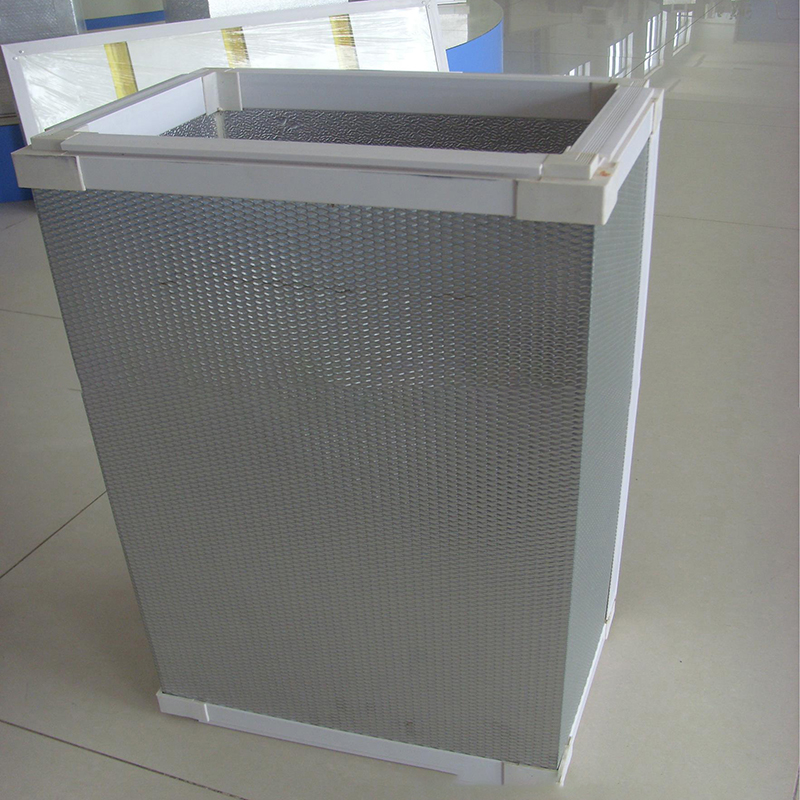
At its core, the
fiberglass corrosion composite duct is constructed using high-performance ultra-fine fiberboard as the foundational substrate, reinforced and integrated with specialized resin materials through precise composite processing technology. Unlike generic duct products, the manufacturing process involves professional surface treatment, layered composite bonding, and structural reinforcement, which perfectly combines the lightweight flexibility of ultra-fine fiberglass and the chemical inertness of premium resin. This unique material composition eliminates the structural defects of traditional single-material ducts, laying a solid foundation for exceptional corrosion resistance and long-term operational stability.
Superior corrosion resistance stands as the most prominent advantage of fiberglass composite duct systems, setting them apart from traditional metal ventilation ducts. Galvanized steel, stainless steel, and iron ducts are highly susceptible to rust, oxidation, and electrochemical corrosion when exposed to humid air, acidic and alkaline gases, salt mist, and industrial chemical vapors. Over time, this corrosion leads to structural damage, air leakage, rust debris contamination, and frequent system failures. In contrast, the chemically inert composite structure of fiberglass ducts resists erosion from acids, alkalis, salts, organic solvents, and humid corrosive media, maintaining complete structural integrity without rusting, pitting, or delamination.
The robust material durability of fiberglass corrosion composite ducts translates to an ultra-long service life in complex working environments. In harsh industrial and corrosive scenarios, traditional metal ducts typically require frequent maintenance, repairs, and replacement within 5 to 10 years. Properly installed fiberglass composite duct systems can deliver stable performance for more than 20 years, up to 2 to 3 times the lifespan of conventional metal ductwork. This exceptional longevity stems from the integrated composite structure that requires no additional anti-corrosion coating or lining repair, eliminating the risk of protective layer peeling and subsequent secondary corrosion.
Beyond outstanding corrosion resistance, fiberglass composite duct systems feature excellent comprehensive physical and mechanical properties that optimize ventilation system performance. The smooth, seamless inner wall of the ducts minimizes air flow resistance and eliminates dust accumulation, scaling, and residue buildup commonly seen in rough metal ducts. This streamlined internal structure improves air transmission efficiency by approximately 10% compared to standard steel ducts of the same specification, effectively reducing fan load and long-term energy consumption for ventilation operations.
Inherent thermal insulation and noise reduction capabilities further enhance the practical value of fiberglass corrosion composite duct systems. The unique porous composite structure and low thermal conductivity of fiberglass materials effectively block heat and cold transfer, reducing cold and heat loss during air circulation and preventing condensation on duct surfaces. Meanwhile, the multi-layer fiber structure efficiently absorbs airflow noise and mechanical vibration noise, creating a quieter and more comfortable working and living environment compared to rigid metal duct systems with strong noise resonance.
Fiberglass corrosion composite duct systems boast wide environmental adaptability, capable of stable operation in extreme temperature conditions ranging from -40℃ to 80℃. The composite material resists damage from damp heat, freeze-thaw cycles, and outdoor weathering, making it suitable for both indoor and outdoor installation, as well as underground buried ventilation projects. Whether in high-humidity coastal areas, high-temperature industrial workshops, or low-temperature storage environments, the duct system maintains consistent structural stability and functional performance without deformation or performance degradation.
Lightweight structural design is another key benefit that simplifies engineering construction and reduces overall project costs. Fiberglass composite ducts are 30% to 50% lighter than equivalent metal ducts, significantly lowering building structural load and foundation support requirements. The prefabricated modular design with standardized flanged connections enables fast and convenient on-site assembly, greatly reducing construction labor costs and shortening project construction cycles. Unlike heavy metal ductwork that requires complex lifting and fixing procedures, fiberglass ducts support flexible installation for various complex pipeline layouts.
Low lifecycle maintenance costs make fiberglass corrosion composite duct systems a cost-effective long-term investment for ventilation engineering projects. Traditional metal ducts require regular anti-rust painting, coating maintenance, and corrosion inspection to extend service life, accumulating high ongoing maintenance expenses. Fiberglass composite ducts require no regular anti-corrosion treatment, painting, or cathodic protection after installation. Their smooth inner surface also reduces cleaning frequency and maintenance difficulty, minimizing operational downtime and manual maintenance costs throughout the system’s service cycle.
Compliant with modern building safety standards, fiberglass corrosion composite duct systems feature reliable fire resistance and environmental friendliness. Manufactured from non-combustible, flame-retardant composite materials, the ducts meet mainstream building fire protection requirements, effectively inhibiting flame spread and improving ventilation system safety. Additionally, the raw materials are non-toxic, odorless, and environmentally stable, releasing no harmful substances during long-term operation. They avoid air pollution caused by rust shedding and coating aging in traditional ducts, ensuring clean and safe air circulation in the ventilation system.
Thanks to their versatile performance and reliable adaptability, fiberglass corrosion composite duct systems are widely applied in multiple high-corrosion and high-standard ventilation scenarios. They are extensively used in chemical plants, pharmaceutical factories, textile mills, and printing and dyeing factories for corrosive industrial waste gas exhaust and workshop ventilation. They also serve as ideal ventilation solutions for wastewater treatment plants, pulp and paper factories, swimming pool HVAC systems, underground garages, and laboratory air handling projects, fully meeting the strict ventilation and anti-corrosion requirements of diverse industrial and commercial scenarios.
 +85247166614



 Current
location:Home >news
>Industry news
>Fiberglass Corrosion Composite Duct Systems: Advanced Durable Ventilation Solutions
Current
location:Home >news
>Industry news
>Fiberglass Corrosion Composite Duct Systems: Advanced Durable Ventilation Solutions