Spiral Ducts: The High-Efficiency Solution For Modern HVAC Systems.
Release time:2026-06-08 Visits:327
In the dynamic field of heating, ventilation, and air conditioning (HVAC), the choice of ductwork directly impacts system efficiency, operational costs, and indoor environmental quality. Among the various duct options available, spiral ducts have emerged as a preferred choice for commercial, industrial, and even some residential applications, thanks to their unique design, superior performance, and long-term cost savings. Unlike traditional rectangular ducts, spiral ducts boast a cylindrical, helically wound structure that combines structural integrity with aerodynamic efficiency, making them a standout solution in modern HVAC design.
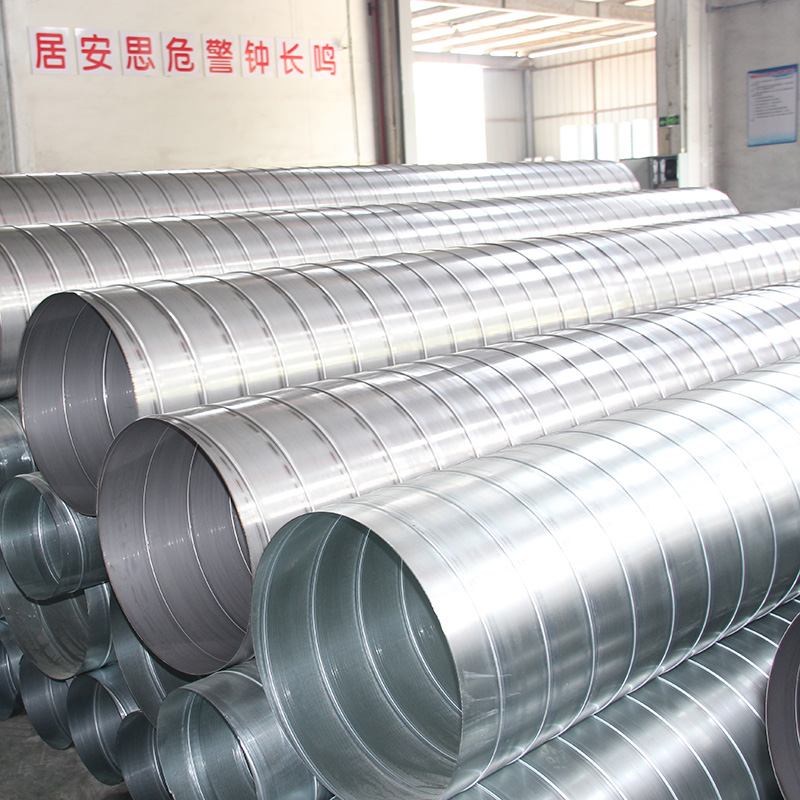
A
spiral duct, also known as a spiro duct, is a tubular ventilation component formed by winding a continuous sheet of metal into a seamless spiral shape. The manufacturing process involves feeding a flat metal coil—typically galvanized steel, stainless steel, or aluminum—into a specialized tube-forming machine, which rolls and locks the metal edges together to create a tight, continuous seam. This seamless construction eliminates the need for frequent longitudinal and transverse joints, a key distinction from rectangular ducts that rely on multiple seams and fasteners. Standard spiral duct diameters range from 80 mm to 1600 mm, with custom sizes available for specialized projects, and pre-fabricated sections can be as long as 20 feet, streamlining installation.
The unique spiral design of these ducts translates into a host of performance advantages that set them apart from traditional ductwork. One of the most significant benefits is enhanced airflow efficiency. The smooth, circular interior of spiral ducts minimizes air turbulence and friction, reducing pressure drops by 20-30% compared to rectangular ducts with sharp corners and rough surfaces. This reduced air resistance allows HVAC systems to use smaller, less energy-intensive fans, lowering overall energy consumption and operational costs. Additionally, the continuous spiral seam ensures exceptional airtightness, with air leakage rates often 90% lower than those of rectangular ducts—this not only preserves energy but also maintains consistent indoor temperatures and air quality throughout the space.
Structural strength and durability are another hallmark of spiral ducts. The helical interlocking seam provides inherent rigidity, making the ducts highly resistant to deformation and eliminating the need for additional reinforcement that is often required for rectangular ducts. This robustness makes spiral ducts ideal for high-pressure HVAC systems and industrial applications, where durability and stability are critical. Furthermore, their smooth interior has no flat surfaces or sharp corners, making them easier to clean and maintain, which is particularly important for applications requiring high hygiene standards, such as restaurants, hospitals, and cleanrooms.
Installation efficiency and cost-effectiveness further contribute to the popularity of spiral ducts. Thanks to their lightweight design, pre-fabricated long sections, and simple slip-joint connections, spiral ducts can be installed up to 50% faster than rectangular ducts, significantly reducing labor costs. While the initial specialized material cost may be slightly higher, the savings from reduced labor, lower energy consumption, and minimal sealing requirements often result in a lower total project cost over time. Additionally, spiral ducts use up to 46% less sheet metal than rectangular ducts to carry the same air volume, making them a more material-efficient choice.
Aesthetics and versatility also make spiral ducts a preferred option for modern architectural designs. Their sleek, cylindrical shape lends a clean, contemporary look that is ideal for exposed ductwork in open-ceiling spaces, such as offices, retail stores, restaurants, and warehouses. They can be finished with raw galvanized steel, matte black, or powder coating to complement any interior design scheme, blending functionality with visual appeal. While spiral ducts require more vertical clearance than rectangular ducts—making them less ideal for tight, low-ceiling spaces—they excel in long duct runs, high-pressure systems, and projects prioritizing energy efficiency and aesthetics.
To optimize spiral duct performance, proper insulation is often recommended. Single-wall spiral ducts can be lined with duct liners (such as Spira Acoustic Plus®) for both thermal and acoustical control, reducing fan noise and improving energy efficiency, or wrapped in duct wrap (such as Microlite®) for thermal control and moisture prevention if acoustics are not a concern. Double-wall spiral duct systems, which consist of an insulated duct within a duct, offer enhanced thermal performance and noise reduction for more demanding applications.
In summary, spiral ducts represent a high-performance, cost-effective, and versatile solution for modern HVAC systems. Their unique spiral design delivers superior airflow efficiency, minimal air leakage, exceptional structural strength, and easy installation, making them suitable for a wide range of commercial, industrial, and architectural applications. As the HVAC industry continues to prioritize energy efficiency, sustainability, and aesthetic appeal, spiral ducts are poised to remain a leading choice for engineers, contractors, and building owners seeking to optimize their ventilation systems. Whether for a new construction project or a renovation, spiral ducts offer a balance of performance, durability, and cost savings that traditional ductwork cannot match.
 +85247166614



 Current
location:Home >news
>Industry news
>Spiral Ducts: The High-Efficiency Solution For Modern HVAC Systems.
Current
location:Home >news
>Industry news
>Spiral Ducts: The High-Efficiency Solution For Modern HVAC Systems.